 Elite Home Bids
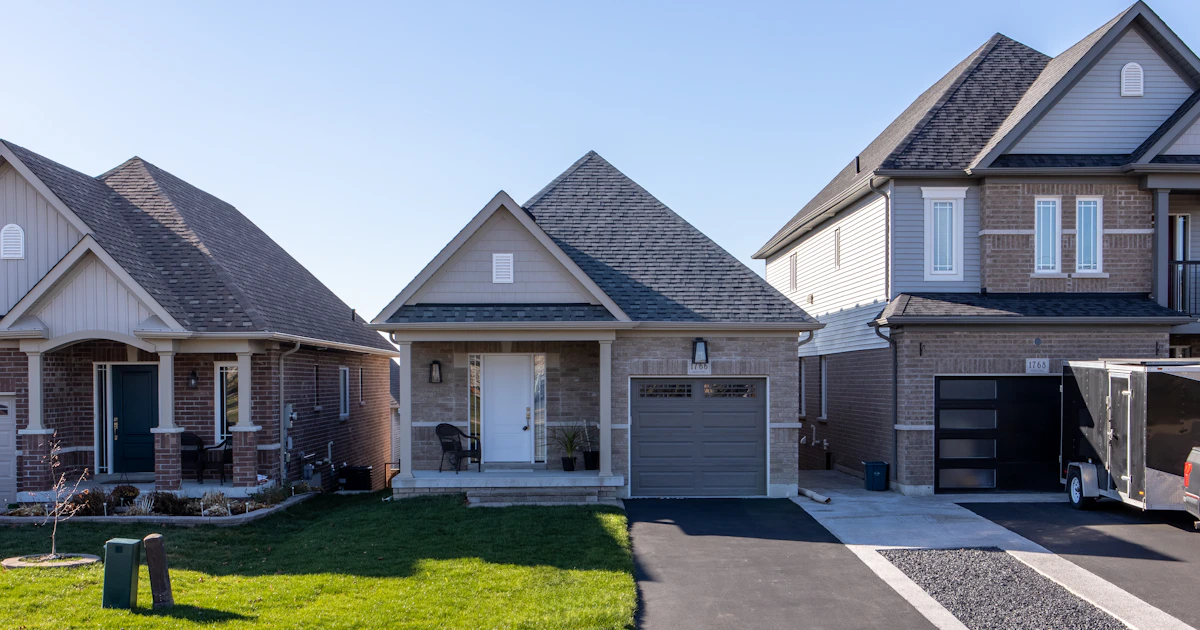
Competitive bidding sales are one of the least-understood ways to sell a house — which is a shame, because getting multiple buyers to compete is usually the single best way to push a sale price up. Here's how the process works, how it differs from a traditional listing, and how to use it to your advantage when you sell in Ohio.
What a competitive bidding sale actually is
In a competitive bidding sale, you don't negotiate with one buyer at a time. You present the property to several vetted buyers at once, each submits their best offer, and you pick the one that wins — on price, closing speed, or whatever terms matter most to you. The competition is what does the work: buyers know other offers are on the table, so they're pushed to put their strongest number forward the first time.
This is different from the traditional model, where a house sits on the MLS for weeks or months, buyers trickle in one at a time, and you haggle back and forth with a single bidder who can walk away at any point.
Why competition beats negotiation for sellers
- Higher net offers — buyers bid against each other, not against you, so offers reflect the real market rather than one buyer's lowball.
- Faster decisions — instead of months of showings and waiting, the field of offers comes back in days.
- Fewer dead deals — with cash buyers, there's no financing contingency or appraisal gap to collapse the sale at the last minute.
- You stay in control — you choose the offer and the close date that fit your timeline, not the buyer's.
How the process works, step by step
- You share the address and the basics about the property — condition, size, and anything else that affects value.
- Your property is analyzed and broadcast to a network of vetted buyers who are actively looking for homes like yours.
- Buyers submit competing offers, and you see the strongest terms available.
- You accept the offer that fits and choose a close date — often within a week to ninety days.
What makes a property a good fit for bidding
Competitive bidding works for almost any home, but it's especially powerful for situations where a traditional listing is slow or risky:
- Homes that need work, where retail buyers and lenders get nervous.
- Inherited, probate, or vacant properties with paperwork complications.
- Rental or tenant-occupied buildings.
- Owners who need a guaranteed close by a specific date.
Common mistakes sellers make
- Waiting too long — the longer a property sits, the more leverage buyers think they have.
- Ignoring total cost — commissions, repairs, and carrying costs eat into a higher headline price; compare the net, not the sticker.
- Going with a single offer — one bidder can name their price; five bidders have to earn it.
Frequently asked questions
Is competitive bidding the same as an auction?
Similar in spirit, different in mechanics. There's no public auctioneer or paddle — buyers submit offers privately, and you choose the winner on your terms.
Does it cost anything to get offers?
No. Submitting your property to see what the buyer network will pay is free and non-binding.
How fast are offers returned?
Typically within about seven days, though timing depends on the property and the current buyer pool.
See what your house draws
If you're selling in Ohio, put the competition to work for you. Send your address and get competing offers — no showings, no repairs, no obligation.
Related: surplus recovery after a tax sale · clearing a clouded title